The Ultimate Guide to Planning an RV Adventure Through the Hawaiian Islands in 2026
Dreaming of a Hawaiian getaway often conjures images of pristine beaches and luxurious resorts, but for the adventurous traveler, exploring the islands from the comfort of a recreational vehicle offers an unparalleled experience. While it's true that the typical American RV road trip model needs some adjustment when crossing the Pacific, a Hawaiian Island RV journey in 2026 is not only possible but can be incredibly rewarding. It allows visitors to connect intimately with the dramatic landscapes, from volcanic craters to lush rainforests, all while having the freedom to chase the sunrise or settle into a secluded coastal nook for the night. The key lies in understanding the unique logistics and embracing a different, more immersive style of travel.
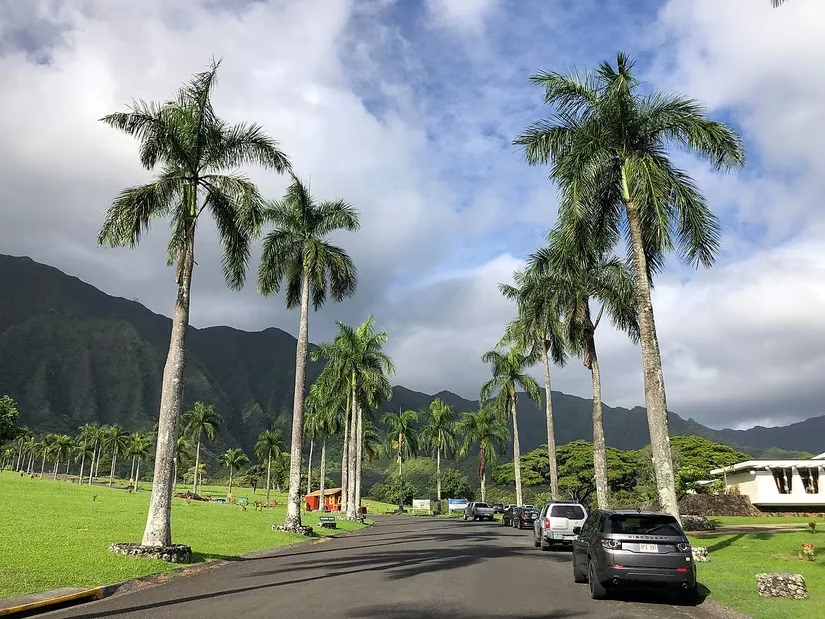
Finding Your Island Home on Wheels 🚐
The first step to an epic Hawaiian RV trip is securing the right vehicle. Unlike the mainland United States, where large Class A motorhomes and spacious fifth wheels are commonplace, Hawaii's rental fleet consists primarily of campervans, converted utility vehicles, and smaller motorhomes. This isn't a limitation but an adaptation to the island environment. Several reputable options exist for travelers:
-
Local Rental Companies: Businesses like Campervan Hawaii specialize in island-ready vehicles, such as the iconic VW Westfalia, which can comfortably sleep a small family or group of friends. Starting prices for these classic vans can be around $139 per night.
-
Peer-to-Peer Platforms: Websites like Outdoorsy and RVShare connect travelers with local RV owners. This is a fantastic way to find a unique vehicle, from a rugged truck camper (often starting around $115/night) to a cozy converted van, and potentially get insider tips from the owner.
Availability can vary, especially during peak travel seasons, so booking well in advance for a 2026 trip is highly recommended. Remember, you're not just renting a vehicle; you're renting your accommodation and transportation all in one.
The Reality of "RV Parks" in Hawaii
Here's where expectations need the most significant shift. 😊 Travelers accustomed to the sprawling RV parks of the mainland with full utility hookups (water, electricity, sewer) will find a different scene in Hawaii. The islands' topography, with winding coastal roads and protected natural areas, doesn't support large, traditional RV parks with these amenities.
Instead, the state offers a network of beautiful public and private campgrounds. These sites provide a place to park for the night, often with access to shared restroom and shower facilities, picnic tables, and fire pits. What they generally do not provide are individual electrical or water hookups for your vehicle. This means your RV adventure will likely be a "boondocking" or dry-camping experience, relying on your vehicle's onboard water tank, battery power, and propane.
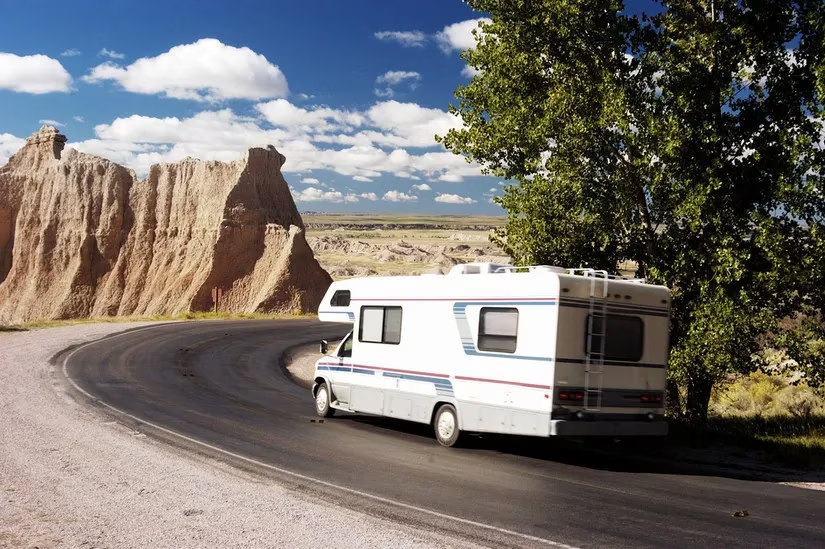
This trade-off is more than fair. The compensation is waking up to views that no luxury hotel can match. Imagine brewing your morning coffee with the sound of waves crashing just feet away on a black sand beach or falling asleep under a canopy of stars in a volcanic valley. The lack of a power cord is a small price to pay for such profound natural immersion. For those who find this too rustic, Hawaii's famous hotels and resorts remain wonderful alternatives, and staying in one of the islands' charming, affordable towns can help balance the budget.
Embracing Local Culture and Etiquette 🙏
While Hawaii is a U.S. state, it possesses a rich, unique culture that visitors must respect. Travelers in 2026 are more aware than ever of the importance of responsible tourism. Hawaiians have a deep, spiritual connection to the land (ʻāina), and protecting it is a paramount value. Being a respectful guest is non-negotiable.
Key points of etiquette include:
-
Leave No Trace: This principle is sacred. Pack out all trash, never litter, and avoid removing any natural objects like rocks or shells.
-
Respect Sacred Spaces: Many areas, even if not explicitly marked, are considered sacred. Follow all posted signage, stay on designated trails, and maintain a respectful demeanor.
-
Conserve Resources: Water is precious on the islands. Use it sparingly in your RV and at campground facilities.
-
Support Local: Whenever possible, shop at local markets, eat at family-owned restaurants, and book tours with native Hawaiian-owned companies.
A successful RV trip is one where visitors tread lightly and leave the islands as beautiful as they found them.
Planning for Success in 2026
To ensure your Hawaiian RV adventure is smooth, a bit of strategic planning goes a long way. Here’s a quick checklist:
| Planning Aspect | Key Consideration for Hawaii |
|---|---|
| Vehicle Choice | Opt for a smaller, maneuverable campervan or Class B motorhome. |
| Campground Reservations | Book public campground sites (like those in state parks) the moment they become available, often 30-90 days in advance. |
| Power Management | Plan for solar panels or generator use (where permitted) to recharge batteries. Limit power-hungry appliances. |
| Water Usage | Fill your freshwater tank at designated stations and use campground facilities for showers to extend your supply. |
| Itinerary | Build in flexibility. Drive times can be longer than expected due to scenic, winding roads. Don't rush! |
Ultimately, an RV trip through Hawaii in 2026 is about embracing adventure in its purest form. It's about trading convenience for connection, swapping predictable hotel rooms for ever-changing, breathtaking vistas. By managing expectations, planning thoughtfully, and traveling with respect, you'll discover that exploring Hawaii by RV isn't just a vacation—it's a deeply personal journey into the heart of the Pacific's most enchanting islands. The memories of watching the sunrise over Haleakalā from your campervan window or falling asleep to the distant sound of the ocean will far outweigh the absence of a standard electrical hookup.