California's Gas Price Dip Tempts Canadian Snowbirds Amid Travel Shifts
The rhythmic crunch of snow under winter boots echoes across Canadian driveways as snowbirds prepare for their annual migration south. This year, however, an unexpected twist emerges from the Golden State: California's steadily declining gas prices are flickering like a desert mirage on the horizon. For decades, these sun-seeking travelers have embraced California's sun-drenched beaches and palm-fringed deserts, but recent years saw a surprising pivot toward domestic adventures. Now, with fuel costs dropping below psychological barriers, the eternal question resurfaces—could this finally lure Canadians back across the border?
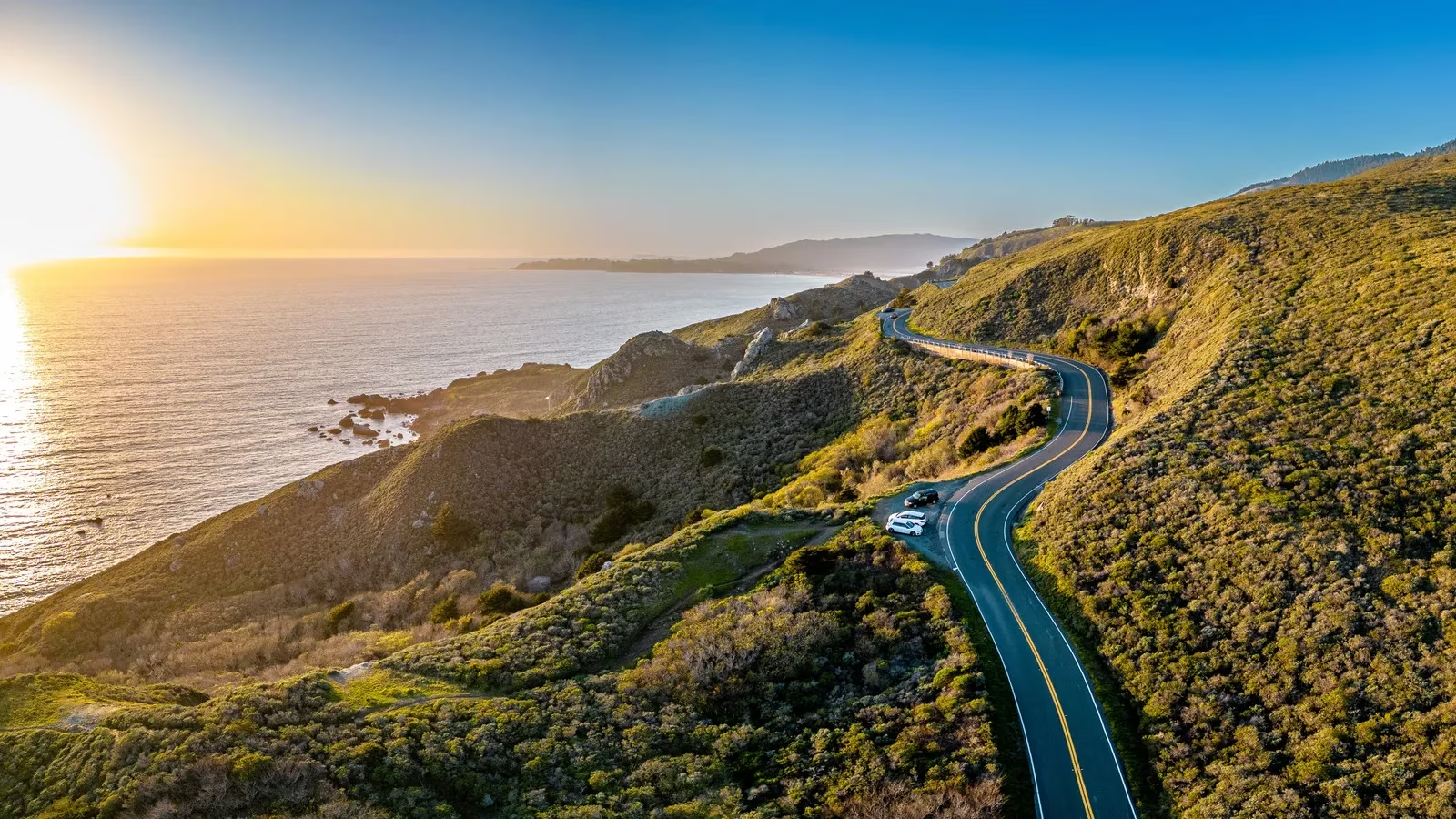
California's fuel landscape reveals fascinating contradictions. Recent AAA data shows gas prices have slid from $4.627 to $4.567 per gallon in a matter of days, a "slow and steady" descent that feels like a welcome reprieve. Patrick De Haan, GasBuddy’s head of petroleum analysis, stokes optimism further by suggesting prices could dip below $4 this winter due to supply-demand rebalancing—a siren song for road-trippers. One can almost smell the Pacific salt air mingling with gasoline vapors at Palm Springs pumps, imagining the relief of filling up without wincing. Yet this silver cloud has a dark lining: California’s average remains painfully higher than the national $3.022 benchmark, and it’s actually 3.14% pricier than last winter. The irony isn’t lost on anyone—just as prices dip, economists from the University of California warn of a potential $1.21 surge by summer 2026 due to refinery closures. It’s like spotting an oasis only to realize it might vanish by sunrise.
🚗 Why the Border Feels Farther Than Ever
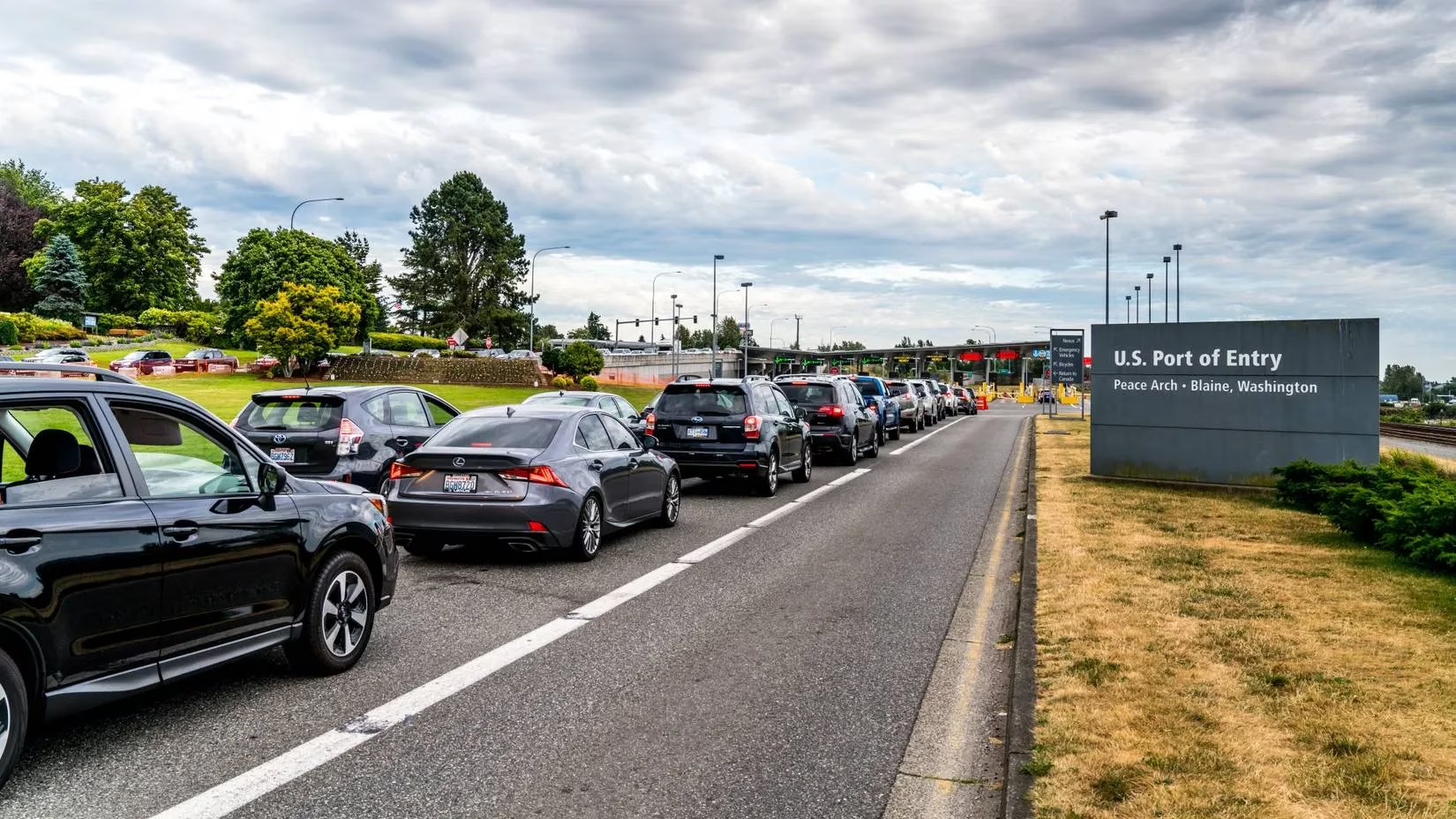
Canadian travelers aren’t just crunching gas numbers—they’re weighing emotional equations. Statistics Canada’s October report reveals a startling 30.5% drop in cross-border car trips, a shift echoing through rental platforms like Turo. Conversations at Tim Hortons now buzz with practical anxieties:
-
Stricter Border Patrol regulations that turn quick getaways into bureaucratic marathons
-
New vehicle registration requirements adding paperwork headaches
-
Political tensions making some feel like unwelcome guests
-
The looming 2026 triple increase in U.S. national park fees for international visitors
Bassem El-Rahimy, Turo’s Head of Canada, observes a deeper transformation: "Canadians aren’t just staying home—they’re rewriting road trip rules. Trips stretch longer, destinations diversify, and local exploration booms." There’s a palpable pride in discovering homegrown wonders, from Nova Scotia’s cliffs to Alberta’s glaciers, making the 2,000-mile trek to California feel less essential.
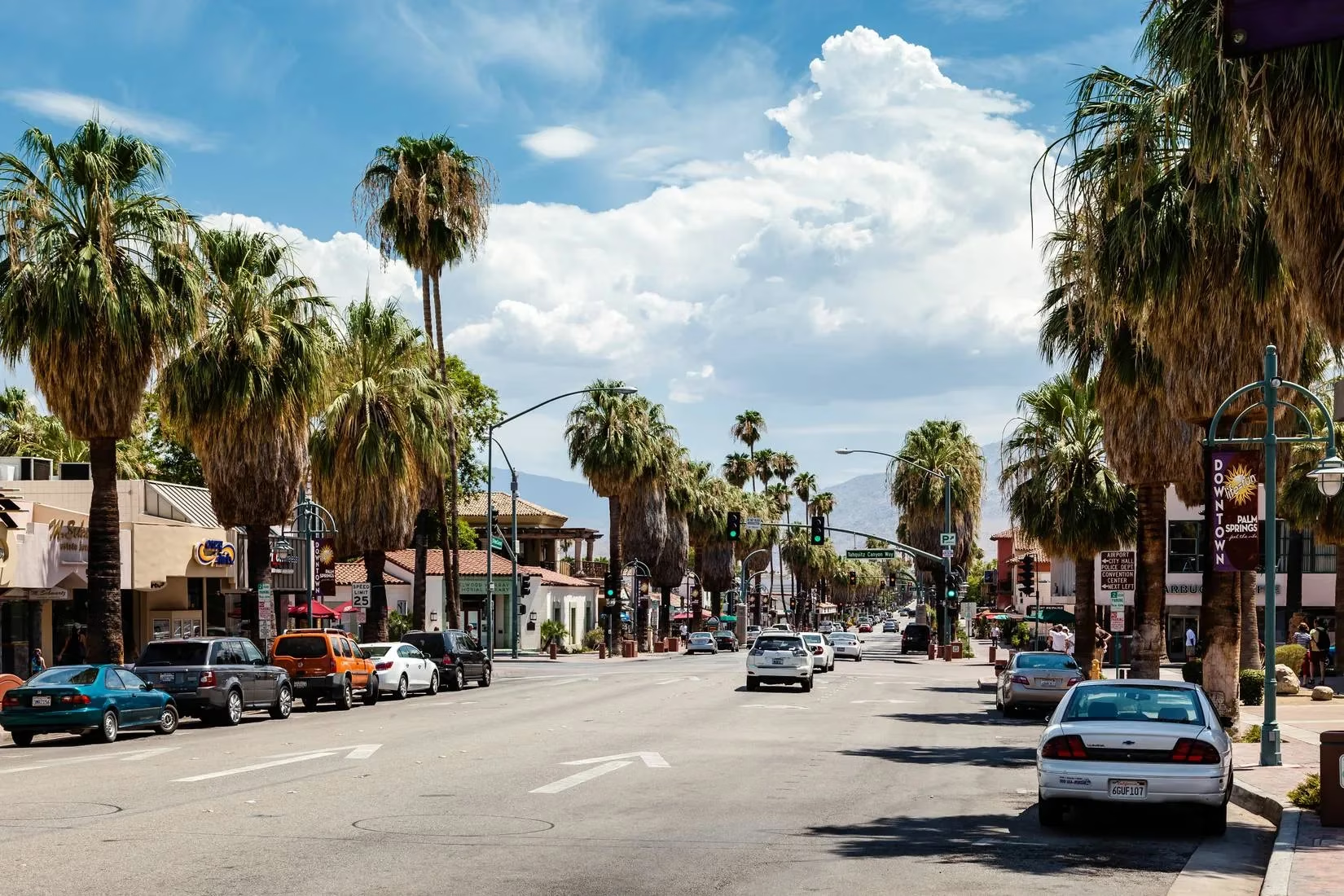
🇨🇦 Canada’s Tourism Renaissance: By the Numbers
While U.S. tourism frets over nearly $6 million in potential losses, Canada celebrates a record-shattering C$59 billion revenue in 2025. The domestic travel boom manifests in surprising ways:
| Trend | Impact |
|---|---|
| Inter-provincial travel spending | Primary revenue driver (45% growth YoY) |
| International summer visits | 10.4% surge post-pandemic recovery |
| Average road trip distance | Increased 22% since 2023 |
This isn’t just economics—it’s an emotional homecoming. Snowbirds who once raced toward Californian deserts now linger in Saskatchewan’s warmth or Quebec’s winter festivals, rediscovering hometown pride. The shift feels like swapping a familiar diner for a beloved family kitchen: comforting, affordable, and unexpectedly delightful.
🌴 California’s Charm Offensive
Amid this retreat, California Governor Gavin Newsom launched a heartfelt counterstrike last April. His "California love" campaign rolled out the golden carpet, touting:
-
Sun-kissed beaches that melt Canadian ice from bones
-
National parks offering cinematic vistas
-
Culinary adventures from Napa vineyards to LA food trucks
-
The cheeky promise of being "2,000 miles from Washington and a world away in mindset"
It’s a seductive pitch, particularly when paired with dipping fuel costs. Yet for many snowbirds, the math still feels precarious. Filling a 15-gallon tank at California’s current average costs $68.50 versus $45.33 nationally—a difference that could cover two nights at a Canadian campground. Even with winter discounts, the specter of next year’s potential $1.21 price hike casts long shadows over budgeting spreadsheets.
⛽ The Road Ahead: Calculations Beyond Cost
Ultimately, this isn’t just about gas prices—it’s about resonance. Canadian snowbirds weigh tangible savings against intangible joys:
-
The visceral thrill of Pacific Coast Highway curves 🏞️
-
Desert sunrises painting mountains in hues unseen in Ontario
-
Versus the cozy certainty of Canadian backroads without border queues
California’s winter discount whispers temptingly, but Canada’s domestic renaissance answers with roaring confidence. As snowflakes gather on windshields up north, the choice crystallizes: chase fleeting fuel savings southward or invest in hometown horizons. For now, the needle wavers—but the open road, wherever it leads, promises adventure either way. After all, whether desert or forest calls, the snowbird spirit soars not in destinations, but in the journey itself.