My Unforgettable Drive from Sedona to the Grand Canyon
There are few road trips in the United States that rival the sheer visual splendor of driving from Sedona to the Grand Canyon. I’ve completed this journey several times, and each experience reveals a new layer of Arizona’s soul—a tapestry of crimson cliffs, dense pine forests, and expansive desert vistas. In 2026, the route remains one of the most accessible and rewarding drives in the Southwest, seamlessly connecting two iconic destinations while offering a sensory overload of color, light, and geological wonder.
After a serene morning exploring the vortex sites and art galleries of Sedona, I point my vehicle north on AZ‑89A. The road immediately plunges into the Coconino National Forest, winding through the famous Oak Creek Canyon. The temperature drops noticeably as I ascend, and the air gains a crisp, pine‑scented freshness. Sheer red walls rise on either side, their surfaces carved by millennia of wind and water. Pull‑offs like Slide Rock State Park invite spontaneous stops, but today my focus is the canyon that lies ahead.
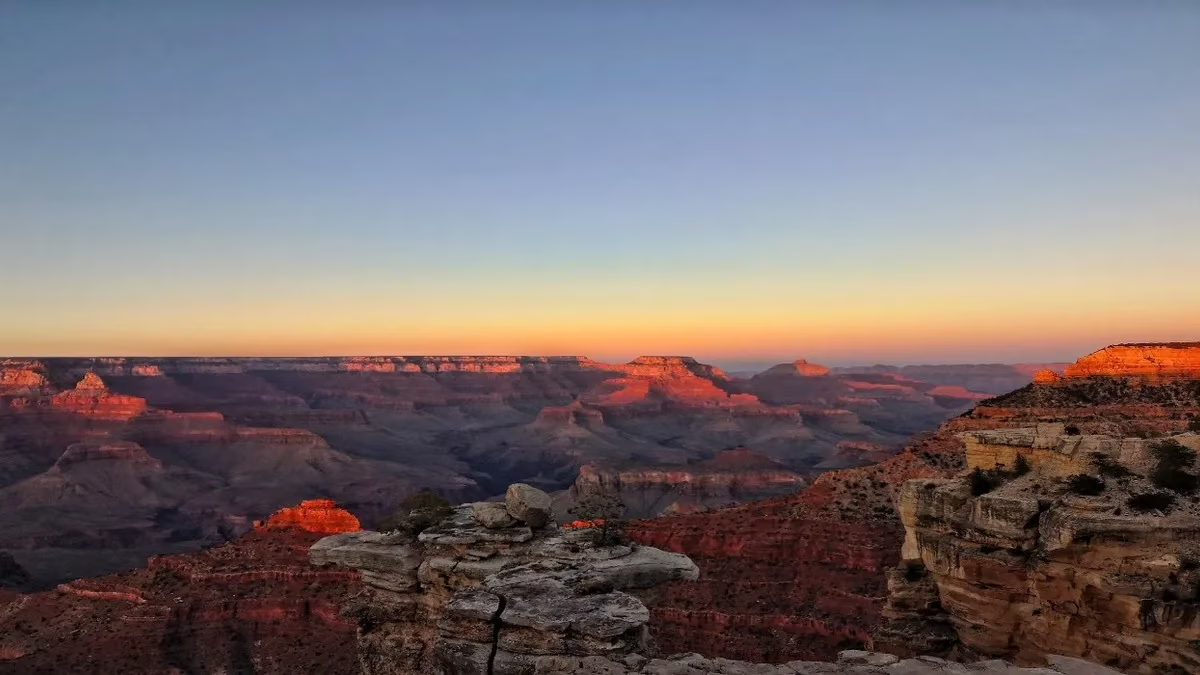
The logistics of the journey are straightforward yet depend on which rim I choose to visit. From Sedona’s roundabouts to the South Rim entrance gate, the distance is approximately 113 miles, translating to a little over two hours of drive time without stops. For me, the South Rim is the natural first choice because it offers the classic panoramic views most people associate with the Grand Canyon and is the closest section. If I divert toward the East Rim, the distance extends to about 153 miles and nearly two hours and forty‑five minutes of travel. The North Rim, which sits at a higher elevation and closes seasonally, is a longer commitment at 236 miles and over four hours. For a same‑day exploration, I always recommend the South Rim; it’s efficient without sacrificing any of the majesty.
What transforms this drive from a simple A‑to‑B transfer into an unforgettable experience is the collection of landmarks sprinkled along the way. On multiple occasions I’ve paused at the Chapel of the Holy Cross, a mid‑century architectural gem built directly into the red rocks. Just outside Sedona, Cathedral Rock looms like a silent sentinel, its reflection pools a magnet for photographers. Farther north, the Montezuma Castle National Monument reveals cliff dwellings that whisper stories of ancient civilizations, while Walnut Canyon National Monument offers a short but breathtaking hike past more cliffside homes. The Sunset Crater Volcano National Monument adds a stark, lunar contrast with its black cinder fields. Flagstaff, with its historic downtown and observatories, can serve as a pleasant lunch stop or a gateway for those extending their road trip to the Grand Canyon Railway & Hotel in Williams.
Once I arrive at the national park, the transition from thick ponderosa forests to the abrupt edge of the abyss is always staggering. The South Rim is well‑equipped for visitors, with a range of lodges nestled within walking distance of the rim. I’ve stayed at El Tovar Hotel, a historic 1905 lodge that oozes character, and also at the more modern Yavapai Lodge. Each accommodation, whether it’s Thunderbird Lodge or Bright Angel Lodge, places the rim trail mere footsteps from my door. This proximity allows me to witness both sunrise and sunset without the hassle of driving inside the park. For meals, the El Tovar Dining Room serves elegant dishes, while the Grand Canyon’s cave restaurant—the Caverns Grotto—offers a dining experience set inside a chamber that is millions of years old, an absolute highlight for any geology enthusiast.
If I compare the two bookends of this road trip, Sedona offers a bustling wellness‑oriented vibe with upscale resorts, vortex tours, and a thriving culinary scene, whereas the Grand Canyon area skews more rustic and expansive. I often spend my first night in Sedona to acclimate and enjoy a sunset at Airport Mesa before tackling the drive early the next morning. The sense of remoteness at the Grand Canyon, however, is exactly what I crave after navigating city life.
Timing plays a pivotal role in maximizing enjoyment. In my experience, the spring months (March through May) and the winter season (November through February) deliver the most comfortable temperatures and the clearest skies. Spring, in particular, transforms the high desert into a canvas of blooming ocotillo, prickly pear cactus flowers, and fresh greenery—perfect for photography. Summer, by contrast, brings triple‑digit heat that can strain both driver and vehicle, especially along stretches with limited shade. Winter occasionally dusts the rims with snow, creating a surreal juxtaposition of white powder against rust‑colored stone. I always carry extra water and fill up my fuel tank in Flagstaff or Williams before entering the park, and I aim to arrive before 9 AM to beat the peak crowds at the entrance gate.
The road itself is as much a character as the destinations. Starting on AZ‑89A through Oak Creek Canyon, merging onto I‑17 north, then connecting to I‑40 west at Flagstaff, and finally cruising north on AZ‑64 to the South Rim—every segment offers a distinct mood. The interstate portions are efficient, but I relish the curves of AZ‑64 as the landscape flattens into high plateau, teasing glimpses of the canyon’s rim through the trees. This combination of accessibility and raw beauty solidifies this route as not just a transfer, but a genuine highlight of any Arizona itinerary. In 2026, with renewed interest in domestic road trips, the Sedona‑to‑Grand‑Canyon corridor continues to rank among the most cherished drives for good reason. Every twist in the tarmac brings a fresh perspective, and by the time I stand at Mather Point gazing into that vast chasm, I’m reminded why this journey remains a quintessential American adventure.