My Life-Changing Journey on US Route 89: America's Most Scenic Road Trip
The moment I turned the key in the ignition at the Canadian border, I knew this was no ordinary drive. It was late June 2026, and US Route 89 stretched before me like a forgotten melody waiting to be played again — a ribbon of asphalt weaving through the beating heart of the American West. For years I had dreamed of a road trip that would stitch together national parks, pioneer history, and landscapes so dramatic they felt plucked from a painter’s fever dream. Route 89 promised all of that, from Glacier National Park all the way down to the saguaro-studded deserts of Arizona. What I discovered over the next three weeks was more than a trip; it was a slow-motion conversation with the continent itself.
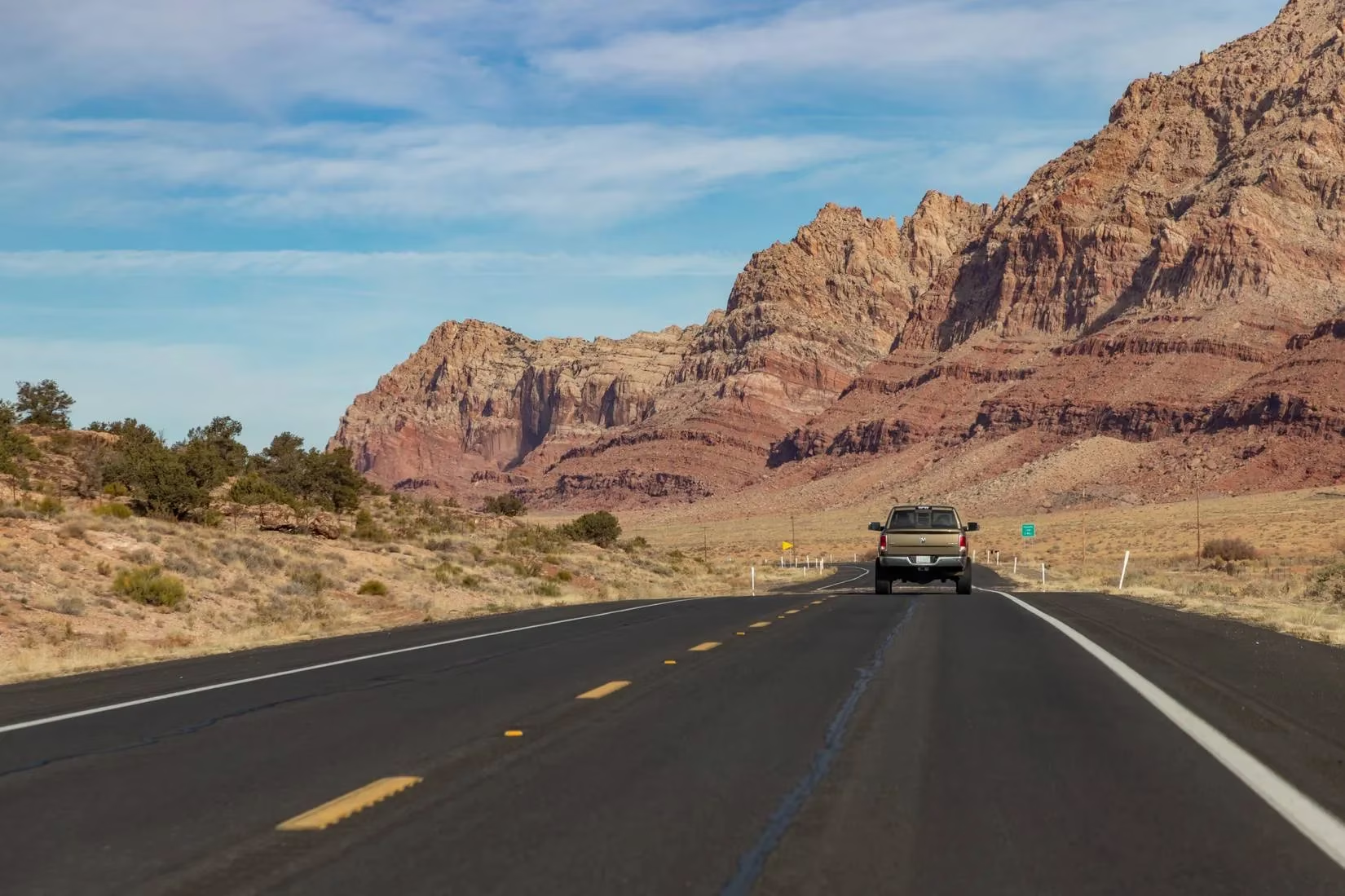
The road unfolded like a graphic novel’s double-page spread, each panel revealing a new chapter. Just south of Glacier National Park, where glaciers cling stubbornly to high cirques, I descended into the Great Falls of Montana. The Missouri River’s five cascades gave the town its name, but it was the C. M. Russell Museum that whispered stories of cowboys and Native American life into my ear. The Lewis and Clark Interpretive Center felt like a time machine, its exhibits humming with the ghosts of explorers. I stood on the banks and let the mist settle on my face, the sound of falling water a constant heartbeat.
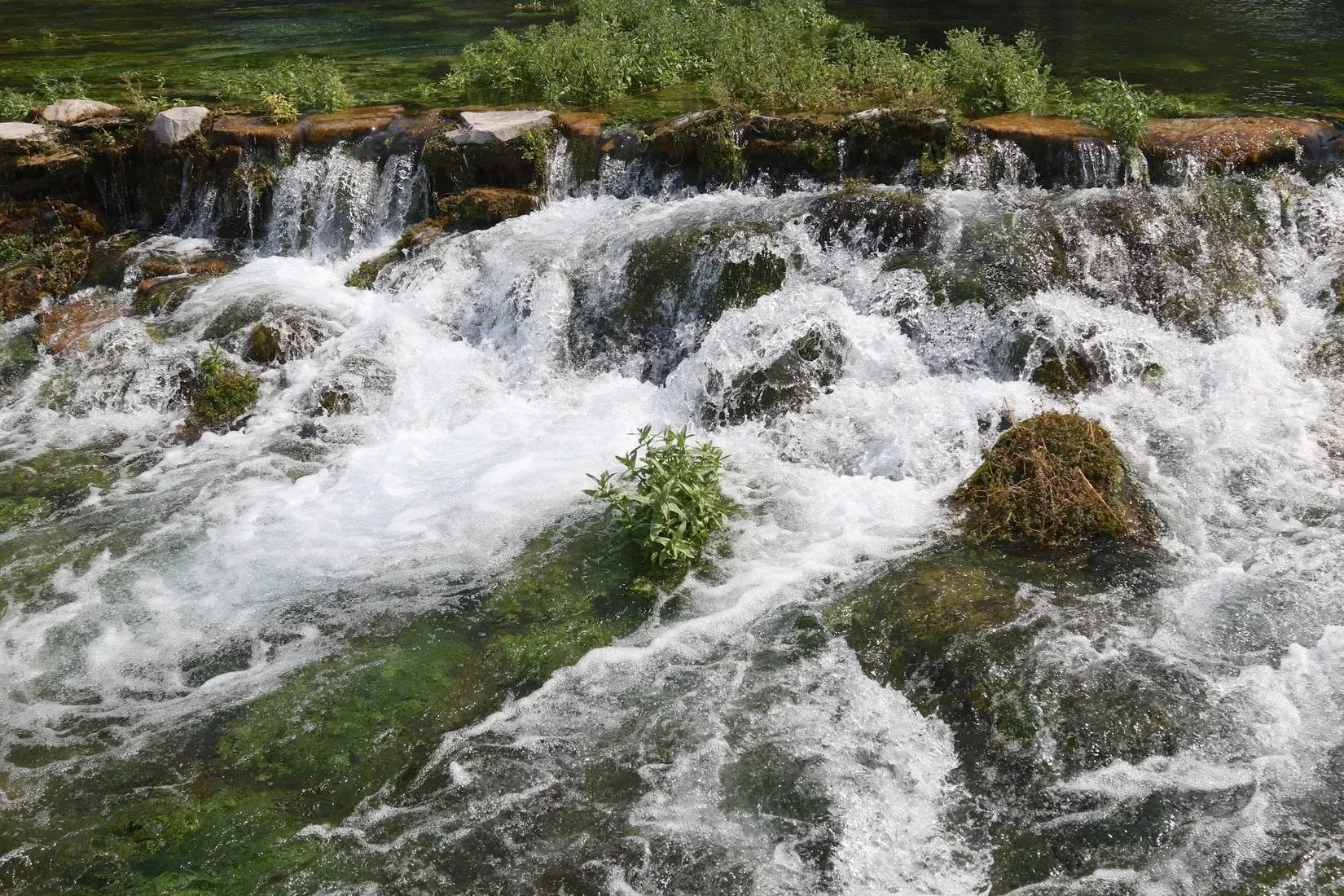
Further south, Belt Creek Canyon in Sluice Boxes State Park was a secret whispered among geology nerds. The route itself became a time machine, each mile peeling back layers of geological history as the limestone walls rose like ancient guardians. I hiked a section of the park’s 7-mile trail, stepping past the ruins of mines and old cabins that seemed petrified mid-sentence. The silence was so complete I could almost hear the miners’ picks still ringing.
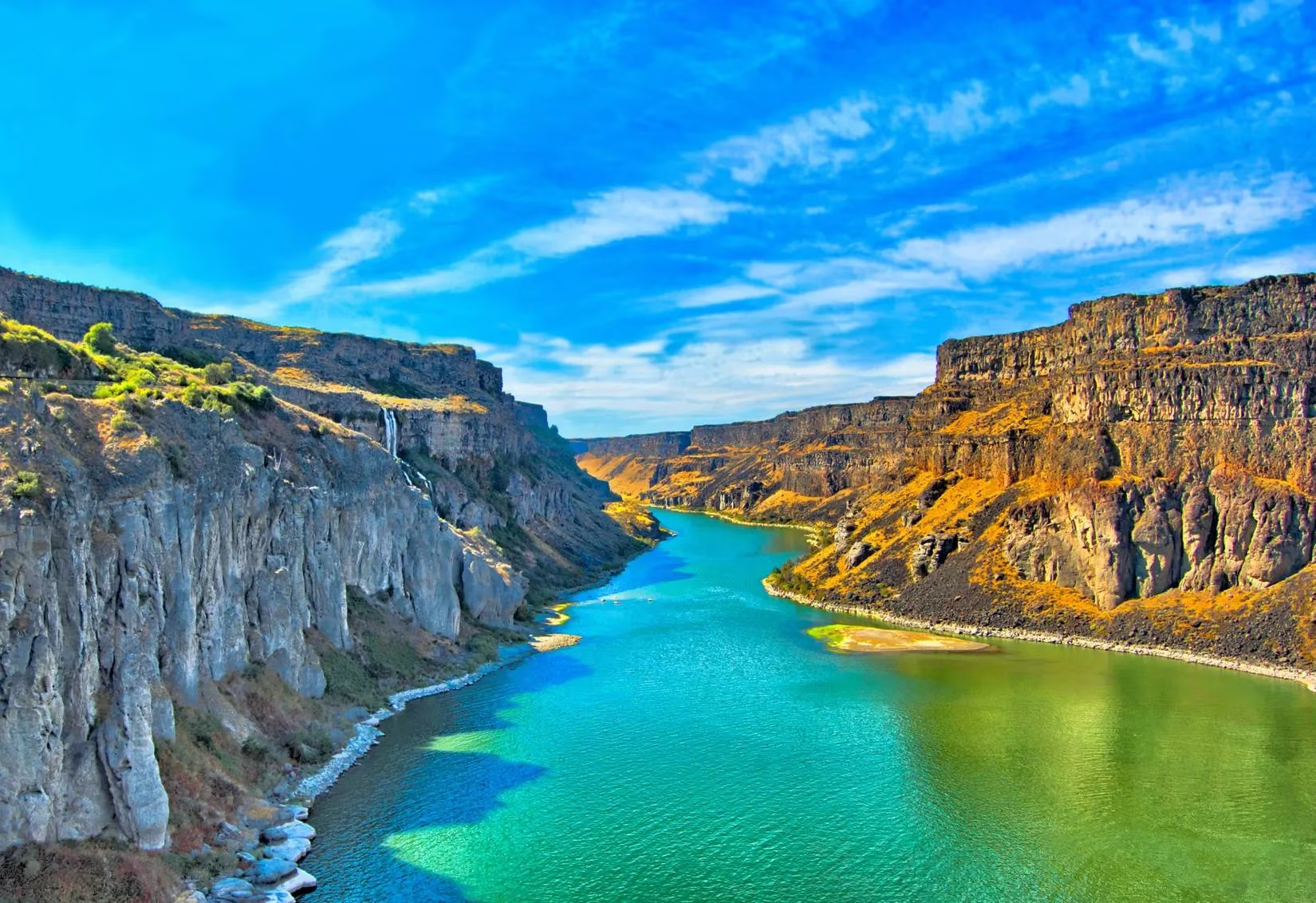
Yellowstone National Park appeared not as a destination but as an inevitability. Approaching from Livingston, the landscape grows restless — hot springs sending up steam like the earth’s own breath. I spent two days exploring thermal basins, where the ground boiled in technicolor pools, and then drove south where the Snake River paralleled the highway. Between Alpine and Jackson, the river twisted like a muscular silver snake, offering white-water rapids that churned with a ferocious joy. I kayaked a stretch, feeling the cold bite of the Rocky Mountain snowmelt even in July. It was one of those moments where you realize nature isn’t a backdrop — it’s the main actor.
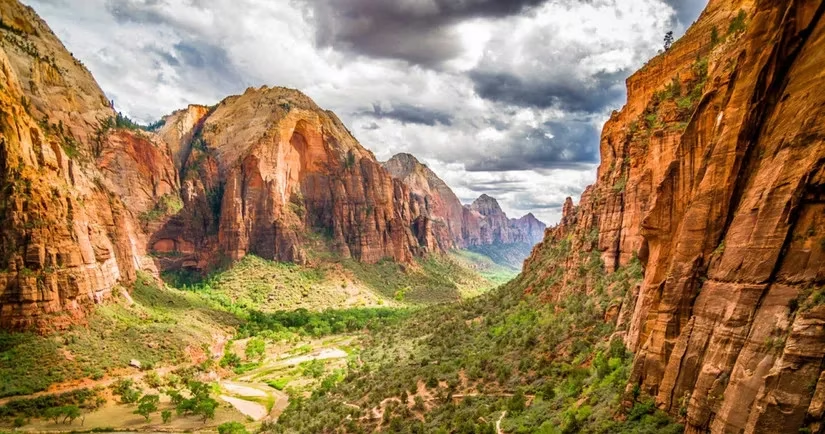
Then came the red-rock country of southern Utah, where the palette shifted from green and granite to vermilion and rust. Zion National Park was a cathedral of stone, its canyon walls soaring like the pipes of some celestial organ. I hiked into a side canyon where hanging gardens dripped with ferns, a stark oasis against the desert furnace. The heat here in July draped over me like a wool blanket in a sauna — something you surrender to rather than fight.
Not far away, Bryce Canyon’s hoodoos stood frozen in an eternal sunrise, their orange and white spires forming a silent army. My breath caught as I gazed across the amphitheater; it felt less like a landscape and more like the fossilized emotions of the earth.
By the time I reached the Grand Canyon’s North Rim, Route 89 had taught me patience. The north rim is taller and quieter than its southern sibling, its overlooks offering glimpses down chasms so deep the Colorado River looked like a thread of jade. A short detour to Glen Canyon National Recreation Area revealed Lake Powell shimmering like a sapphire dropped onto red velvet. I rented a kayak and paddled through narrow side canyons, the water so still it mirrored every cloud.
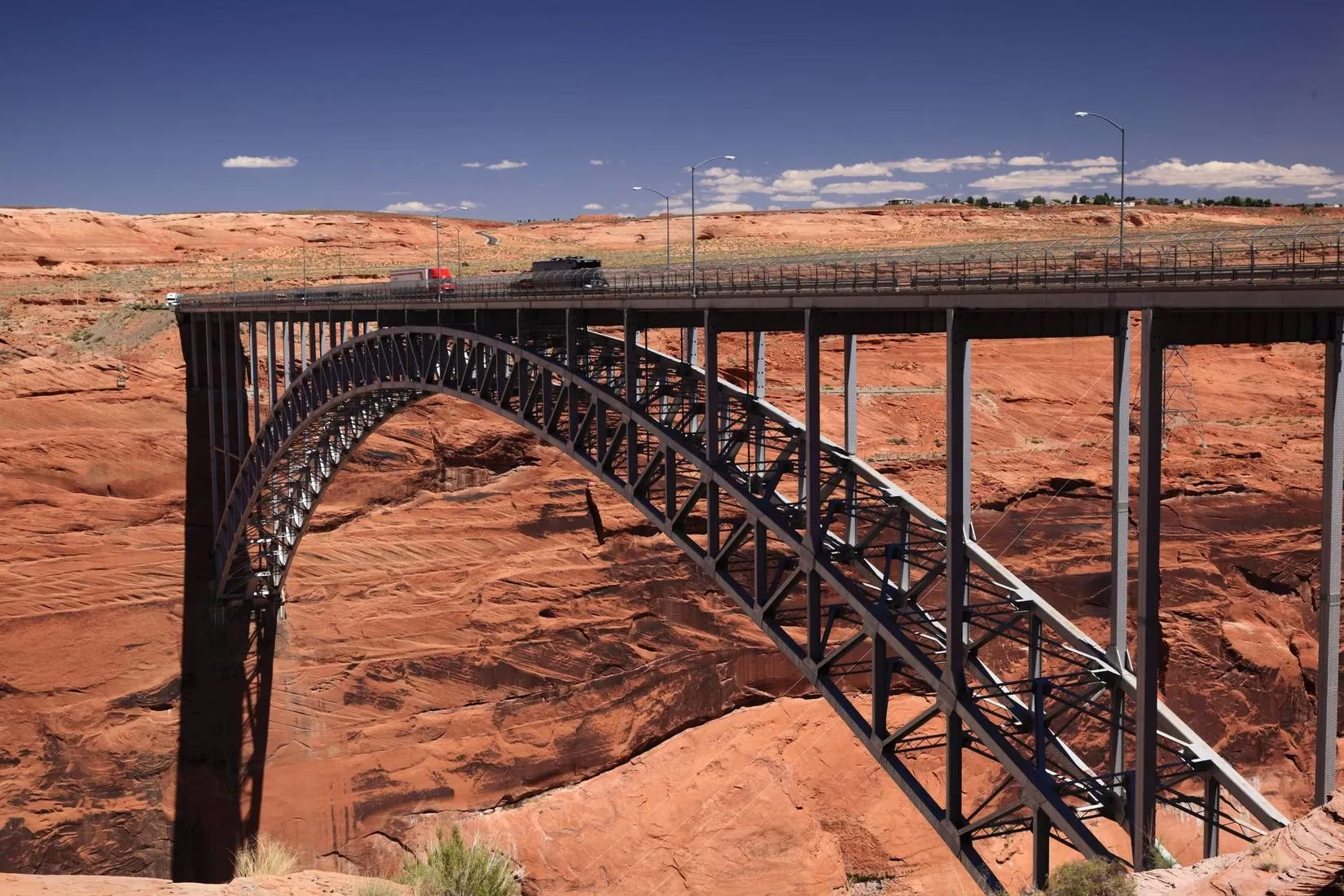
Sedona’s Red Rock wilderness was my penultimate stop. The buttes and pinnacles, sculpted by wind and water, glowed like embers under the afternoon sun. I hiked into the Hidden Mountain Wilderness, where every turn presented another impossible formation — arches, slot canyons, and windows that felt like portals to a more vivid world. Finally, Saguaro National Park near Tucson greeted me with forests of iconic cacti. The Cactus Forest Drive loop was a slow, mesmerizing farewell, each saguaro standing with arms raised as if in benediction.
Looking back from my rearview mirror in 2026, I understand now that Route 89 wasn’t just a road. It was a long, meandering line of verse composed by glaciers, rivers, and relentless time. If you attempt it, give yourself three to four weeks. Summer is best for the northern reaches, but the Southwest sections are more forgiving in spring or fall to avoid triple-digit temperatures that can feel like an oven’s full-frontal assault. Gas stations and lodging are sparse in remote stretches — come prepared, or risk becoming a cautionary tale. But for those willing to listen, this highway hums with America’s truest story. And I promise, you’ll never hear it the same way again.